
Is Reserve Currency of Social Commerce (RCSC) Legit? 2026 Risks & Review

What Is Reserve Currency of Social Commerce (RCSC)?
Reserve Currency of Social Commerce (RCSC) is a Solana-based token launched in April 2026. The project claims to be a foundation currency for social commerce—think TikTok shops, Instagram checkout, and creator economies. The idea sounds smart: create a token that handles micro-payments, creator rewards, and marketplace liquidity across social platforms.
But here's the reality check. RCSC has no working integration with any major platform. No TikTok. No Instagram. No Shopify. As of today, the entire concept remains an idea, not a product.
The token runs on Solana as an SPL token. That means fast transactions and low fees—but that's true for thousands of other tokens too. Being on Solana doesn't make RCSC special.

How Does RCSC Work?
On the surface, RCSC works like any other micro-cap Solana token. Tokens get issued. People buy and sell on decentralized exchanges like Raydium. The price moves with demand. That's it.
There is no whitepaper explaining how the "reserve currency" actually functions. No staking mechanism. No governance. No revenue-sharing model. No dashboard showing transaction volume from social commerce activity. The promised utility—settling social commerce payments—has zero on-chain evidence.
In plain terms: RCSC is tradable, but it doesn't do anything yet.
Is Reserve Currency of Social Commerce (RCSC) Legit?
This is the question everyone wants answered. Let's separate what we know from what we don't.
What exists:
- A tradable token on Solana
- Active trading pairs on Raydium and Meteora
- Social media buzz (mostly hype-driven)
What does not exist:
- Official website
- Whitepaper or tokenomics document
- Public team members or verified developers
- Smart contract audit
- Any confirmed integration with social commerce platforms
No audit doesn't automatically mean scam. But an anonymous team plus no documentation plus no working product equals high risk. Currently, no public evidence confirms fraud. But the project shows multiple red flags that legit projects usually avoid.
RCSC Crypto Risks You Need to Know
Let's walk through the specific risks. This matters more than price predictions.
Extreme Volatility and Slippage
Thin liquidity pools mean even a $10,000 trade can move price 10-20% against you. If you buy and a whale sells minutes later, you absorb the loss.
Holder Concentration
On-chain data shows a small number of wallets hold a majority of supply. That setup favors early insiders. Late buyers provide exit liquidity.
Anonymous Team
No public team means no accountability. If the project fails or gets abandoned, there is no one to ask why.
No Audit
An unaudited smart contract can contain bugs, backdoors, or malicious code. Without an audit, you are trusting strangers with your money.
No Real Utility
The "social commerce reserve" narrative sounds impressive, but there is no verified adoption. No merchants. No transaction volume. No dApp.
Pump-and-Dump Structure
Low liquidity + hype + anonymous team + concentrated holdings = textbook pump-and-dump environment. Some early participants will profit. Most late buyers will not.
How to Buy RCSC Crypto
If you understand the risks and still want to trade RCSC, here is the process.
Step 1: Create a Solana wallet like Phantom or Solflare.
Step 2: Buy Solana (SOL) on WEEX, then send it to your wallet.
Step 3: Go to Raydium or Meteora.
Paste the RCSC contract address. Double-check the address from a reliable on-chain source before swapping.
Step 4: Enter the amount of SOL you want to swap, confirm, and sign the transaction.
Step 5: Once the swap completes, RCSC will appear in your wallet.
Note: multiple fake tokens may use similar names. Always verify the contract address.
RCSC vs. Legitimate SocialFi Projects
Legit SocialFi projects typically show three things: active users, working product, and transparent teams. Projects like:
- Audited smart contracts
- Public development roadmaps
- Real transaction volume from actual users
RCSC currently shows none of those. Comparing RCSC to established SocialFi tokens isn't fair—because RCSC has no verified activity beyond trading.
Should I Buy RCSC?
Here is an honest answer without fluff.
Treat RCSC as speculative, high-risk capital—similar to a lottery ticket or a weekend bet. Do not invest money you cannot afford to lose. Avoid emotional decisions based on social media hype. Always check on-chain data yourself using DEX Screener or similar tools. And look for basic transparency signals before buying any micro-cap token.
Safer alternatives within the Solana ecosystem include established DeFi or SocialFi protocols with audited contracts and active communities.
Final Thoughts
Reserve Currency of Social Commerce (RCSC) follows a familiar pattern in crypto: a strong narrative, rapid hype, and minimal substance. The social commerce sector is growing, but RCSC has not demonstrated any real execution within that space. As of now, it functions more like a speculative meme token than a legitimate reserve currency.
The lack of transparency—no website, no whitepaper, no public team, no audit—significantly increases downside risk. Investors should approach with caution, maintain strict position sizing, and avoid overexposure.
Ready to trade? WEEX offers zero fees, instant execution, and the security you need. Sign up on WEEX Now and Start Trading!
FAQ
What is RCSC crypto?
RCSC (Reserve Currency of Social Commerce) is a Solana-based SPL token launched in April 2026. The project claims to be a reserve currency for social commerce ecosystems, but currently has no verifiable integrations or working product.
Is Reserve Currency of Social Commerce (RCSC) legit?
RCSC is a real tradable token, but its legitimacy as a project is questionable. Multiple red flags exist: anonymous team, no audit, no official website, no whitepaper, and no confirmed utility. It is not confirmed as a scam, but it shows patterns common to high-risk meme tokens.
What are the main risks of RCSC crypto?
Key risks include extreme volatility, thin liquidity (around $150k), concentrated holder distribution, anonymous development team, lack of smart contract audit, and potential pump-and-dump dynamics.
Does RCSC have real utility?
No. As of this review, there is no verifiable evidence of integrations with social commerce platforms, active merchant adoption, transaction volume, or a functioning dApp. The claimed utility remains theoretical.
Is RCSC a pump and dump?
The project's structure—low liquidity, high hype, anonymous team, and concentrated token holdings—creates conditions commonly associated with pump-and-dump schemes. No confirmed fraud exists, but the risk is significantly higher than with audited, transparent projects.
You may also like

Grass Token Price: GRASS Live Data, Drivers, and Risks
Track Grass token price, market cap, supply, unlocks, and key GRASS price drivers before trading the Solana AI and DePIN token.
WCOR Coin Explained: World Collective Oil Reserve on Solana
WCOR coin is a Solana token tied to an oil-reserve registry narrative. Here’s what it claims, current data, and the risks traders should watch.
What Is SAOS Crypto? Can SAOS Hit $0.1?
Is SAOS crypto a hidden gem? Strategic American Oil Supply on Solana explained. No hype, just data: $75K cap, locked LP, RWA narrative.
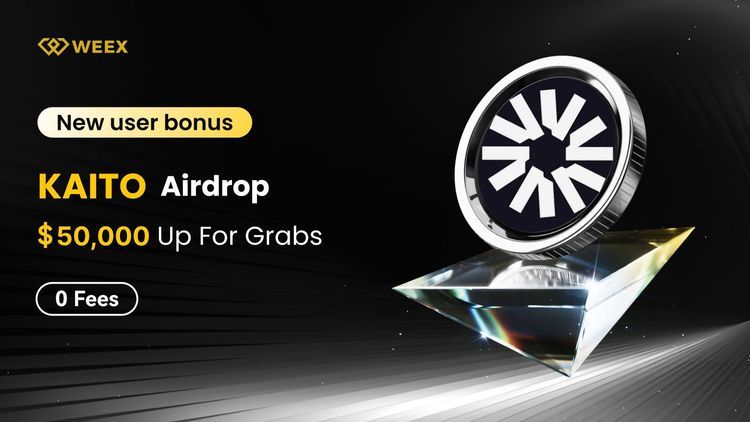
KAIO Airdrop: Share 50,000 USDT on WEEX with 0-Fee Trading
Trade KAIO/USDT with 0 fees on WEEX from May 7–14, 2026. New users can complete deposit and spot trading tasks to share 50,000 USDT in rewards.

What Is SAOS? Strategic American Oil Supply Token Explained
SAOS is a meme token on Solana with a 75,000 USD market cap and 22,000 USD locked liquidity, positioned around oil supply themes but lacking real asset backing
It thrives on pure narrative speculation, with no utility, website, or doxxed team, making it highly volatile and attention-dependent
Traders should distinguish SAOS from legitimate real-world asset projects, as its branding is speculative rather than substantive
Positive aspects include locked liquidity reducing rug pull risks, but low trading activity signals high uncertainty
How to Buy Public Asset Control (PAC) Token in 2026: Latest Solana Buying Guide
How to buy Public Asset Control (PAC) token in 2026, PAC contract address, Solana wallet setup, Jupiter swap guide, latest price, liquidity, and risks.

What Is Public Asset Control (PAC) Token and How Does It Work? Latest Solana PAC Token Guide
Public Asset Control (PAC) token explained. Learn what PAC is, how it works on Solana, current price snapshot, risks, and buying basics.
Can PAC Coin Reach $1 Soon? Analyzing Public Asset Control
PAC is a Solana-based meme token with a government-themed narrative, but it is highly speculative.
At its current price (~$0.0009) and 1B supply, reaching $1 would require a $1B market cap, which is very unlikely.
Short-term moves to $0.001 or $0.01 are more realistic, but the token is highly volatile due to low liquidity and hype-driven trading.
Overall, $1 is not a realistic target, and PAC is better suited for short-term speculation than long-term investment.

United Nations Oil Reserve (UNOS) Crypto: Solana Token, UN Links, and Risks
United Nations Oil Reserve (UNOS) Crypto explained: Solana token basics, UN links, oil-backing claims, market risks, contract checks, and buying cautions.

What Is Public Asset Control (PAC) Coin? Explained for Beginners
Public Asset Control (PAC) is a Solana-based token that uses a “government asset control” narrative involving oil and gold themes, but it has no verified ties to any real institutions or governments. It is mainly an entertainment-focused, speculative meme coin.
The project’s claims about links to entities like BlackRock or Palantir are unverified, and its own disclaimer states it is not a real financial or institutional asset. Like many new Solana tokens, PAC is highly volatile, with low liquidity and limited transparency, including no fully verified audit.
Overall, PAC is a high-risk speculative token driven by hype and storytelling rather than real utility. Beginners are advised to be cautious, verify contract details, and prioritize risk control before considering any trading.
What Is Official Saudi Oil Reserve (OSOR) Coin?
Learn what OSOR coin is, why its Saudi oil narrative matters, how to verify the contract, and what risks to check before trading.
Global Digital Oil Reserve (GDOR): What It Is, Risks, and How to Check It
Global Digital Oil Reserve (GDOR) is an oil-themed Solana token with unclear backing. Learn its risks, market data, and verification checklist.
Is OBC Crypto a Good Investment?
Is OBC crypto a good investment? We analyze the latest market data, holder concentration, liquidity risks, and short-term momentum. Read this before you invest in OBC token.

Can OSOR Reach $1? Full Price Analysis 2026
OSOR crypto price prediction 2026: Can Saudi Oil Reserve token reach 1? Read before buying.

What is International Oil Supply (IOS) Coin?
Wondering what is IOS crypto? Here’s a straight look at International Oil Supply (IOS) coin—the Solana token tied to oil reserve data. Contract address, risks, and what’s still unverified.

What Is the Unified International Token (UNIT)? Is UNIT Crypto Legit or Scam?
what is UNIT crypto? Here’s a breakdown of the Unified International Token ($UNIT), how it ties to BRICS+ data, where to buy it, and why it’s a conceptual project—not an official currency.
What Is Stablecoin Business OS (SBOS) Coin?
What is SBOS crypto? We break down Stablecoin Business OS, its USDC invoicing tools, AI finance assistant, token contract address, and real utility for online businesses.

How to Buy $WCOR Coin: Should I Invest or Is It Just Hype?
Learn how to buy $WCOR coin on Solana and explore its latest 57% price surge. This expert guide analyzes whether WCOR is a solid investment or speculative hype.
Grass Token Price: GRASS Live Data, Drivers, and Risks
Track Grass token price, market cap, supply, unlocks, and key GRASS price drivers before trading the Solana AI and DePIN token.
WCOR Coin Explained: World Collective Oil Reserve on Solana
WCOR coin is a Solana token tied to an oil-reserve registry narrative. Here’s what it claims, current data, and the risks traders should watch.
What Is SAOS Crypto? Can SAOS Hit $0.1?
Is SAOS crypto a hidden gem? Strategic American Oil Supply on Solana explained. No hype, just data: $75K cap, locked LP, RWA narrative.
KAIO Airdrop: Share 50,000 USDT on WEEX with 0-Fee Trading
Trade KAIO/USDT with 0 fees on WEEX from May 7–14, 2026. New users can complete deposit and spot trading tasks to share 50,000 USDT in rewards.
What Is SAOS? Strategic American Oil Supply Token Explained
SAOS is a meme token on Solana with a 75,000 USD market cap and 22,000 USD locked liquidity, positioned around oil supply themes but lacking real asset backing
It thrives on pure narrative speculation, with no utility, website, or doxxed team, making it highly volatile and attention-dependent
Traders should distinguish SAOS from legitimate real-world asset projects, as its branding is speculative rather than substantive
Positive aspects include locked liquidity reducing rug pull risks, but low trading activity signals high uncertainty
How to Buy Public Asset Control (PAC) Token in 2026: Latest Solana Buying Guide
How to buy Public Asset Control (PAC) token in 2026, PAC contract address, Solana wallet setup, Jupiter swap guide, latest price, liquidity, and risks.


