

What is Staking in Crypto: A Complete Guide by WEEX Exchange

As the world of digital assets continues to expand, crypto staking has emerged as one of the most exciting ways to earn passive income. But for beginners, understanding what is staking and how does staking work can seem challenging. In this guide, we'll explain everything you need to know about what is staking in crypto, how it functions, the different types, and why platforms like WEEX make it easy to get started. Let’s dive in.
What is Staking in Crypto?
Before we dive deeper, let’s first understand what is staking in crypto. Simply put, crypto staking means locking up a certain amount of cryptocurrency in a blockchain network to help support its operations, such as validating transactions and securing the network. In return, participants earn rewards, usually paid out in the same cryptocurrency they are staking.
At its core, what is staking involves holding a specific amount of crypto in a wallet or platform to support a Proof of Stake (PoS) blockchain. It’s an easy way for investors to earn passive income while helping keep the network stable. Thanks to the growing number of best staking crypto options, crypto staking has quickly become a popular choice for both beginners and experienced investors.
How Does Staking in Crypto Work?
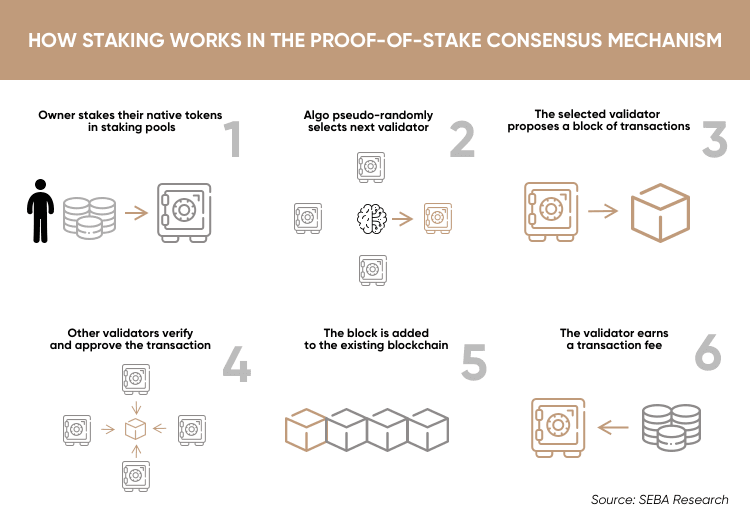
Now that you understand what is staking, you might be wondering: how does staking work? The idea behind crypto staking is simple. You lock up your cryptocurrency in a blockchain network that uses a system called Proof of Stake (PoS) to validate transactions and secure the network. In return, you earn staking rewards, usually paid in the same cryptocurrency you stake.
At its core, how does staking work involves depositing your crypto into a staking wallet or platform to help maintain the blockchain’s operations. Understanding how does staking work is key if you want to make the most out of crypto staking and find the best staking crypto options.
Technically, in a PoS blockchain, validators are chosen to create new blocks and verify transactions based on the amount of cryptocurrency they have staked. The more coins you lock up, the higher your chances of earning rewards. That’s why crypto staking is often compared to earning interest on a savings account.
Here’s a simple breakdown of how staking works:
- You deposit your cryptocurrency into a staking wallet or platform like WEEX.
- Your staked coins are locked for a certain period, during which they help secure and maintain the blockchain.
- In return, you earn staking rewards, typically based on the amount you stake and how long you keep it locked.
It’s important to remember that different projects offer different rewards and terms. Some platforms, like WEEX, provide flexible and competitive staking options, helping both beginners and experienced users get the most out of crypto staking. Knowing exactly how does staking work will guide you in choosing the best staking crypto for your goals.
Proof of Stake (PoS) versus Proof of Work (PoW)
When learning what is staking in crypto, it’s essential to understand the difference between Proof of Stake (PoS) and Proof of Work (PoW) , two major blockchain consensus mechanisms.
Proof of Work (PoW) is the original consensus model used by cryptocurrencies like Bitcoin. In PoW, miners compete to solve complex mathematical problems, and the first to solve it gets to add a new block to the blockchain. This process requires significant computational power and energy, making it less sustainable over time.
On the other hand, Proof of Stake (PoS) offers a more energy-efficient alternative. Instead of relying on massive computing resources, PoS selects validators based on the amount of cryptocurrency they have staked. The more coins you stake, the greater your chance of being chosen to validate transactions and earn rewards.
Understanding this distinction is key to knowing how does staking work. Crypto staking only exists on PoS-based blockchains. When you stake your coins, you are directly contributing to network security and transaction validation, without the need for expensive mining equipment.
Today, many new projects favor PoS because it is more scalable and eco-friendly. It’s also why the search for the best staking crypto has become a major trend among investors. Knowing what is staking and how PoS systems operate can help you make smarter decisions when getting started with crypto staking.
In summary:
- Proof of Work (PoW) : Requires physical mining, high energy consumption.
- Proof of Stake (PoS) : Requires staking coins, energy-efficient, offers staking rewards.
If you're serious about crypto investing, understanding what is staking in crypto and the advantages of PoS is crucial for choosing the best staking crypto opportunities in 2025 and beyond.
Types of Crypto Staking Explained
There are several types of crypto staking to consider when exploring what is staking in crypto. Each type offers unique benefits, making it essential to understand how does staking work across these methods:
- Solo Staking: You run your own validator node, requiring technical expertise and a significant amount of cryptocurrency. This is ideal for those who fully understand what is staking and want maximum control.
- Staking Pools: By joining a pool, you combine your funds with others to increase your chances of earning rewards. This is a popular option for finding the best staking crypto with lower entry barriers.
- Exchange Staking: Platforms like WEEX Exchange simplify crypto staking by managing the process for you. This is perfect for beginners asking what is staking in crypto and seeking ease of use.
- Liquid Staking: This allows you to stake your crypto while retaining liquidity, offering flexibility for those exploring how does staking work.
Each type caters to different needs, so choosing the right one depends on your goals and familiarity with crypto staking.
Benefits and Risks of Crypto Staking
Crypto staking offers numerous benefits, making it a go-to strategy for those asking what is staking in crypto. Here are the key advantages:
- Passive Income: Crypto staking allows you to earn rewards without active trading, making it a top choice for the best staking crypto enthusiasts.
- Network Support: By participating in what is staking, you contribute to the blockchain’s security and decentralization.
- Low Energy Use: Unlike PoW, crypto staking is environmentally friendly, aligning with sustainable investing.
However, what is staking in crypto also comes with risks:
- Market Volatility: The value of your staked coins can fluctuate, impacting your returns when exploring best staking crypto options.
- Lock-Up Periods: Some crypto staking platforms require you to lock your funds for a set period, limiting access.
- Slashing Risks: If a validator misbehaves, you could lose a portion of your stake, a key consideration in how does staking work.
Weighing these factors is crucial when deciding what is staking and whether it suits your investment strategy.
Best Staking Crypto Options in 2025
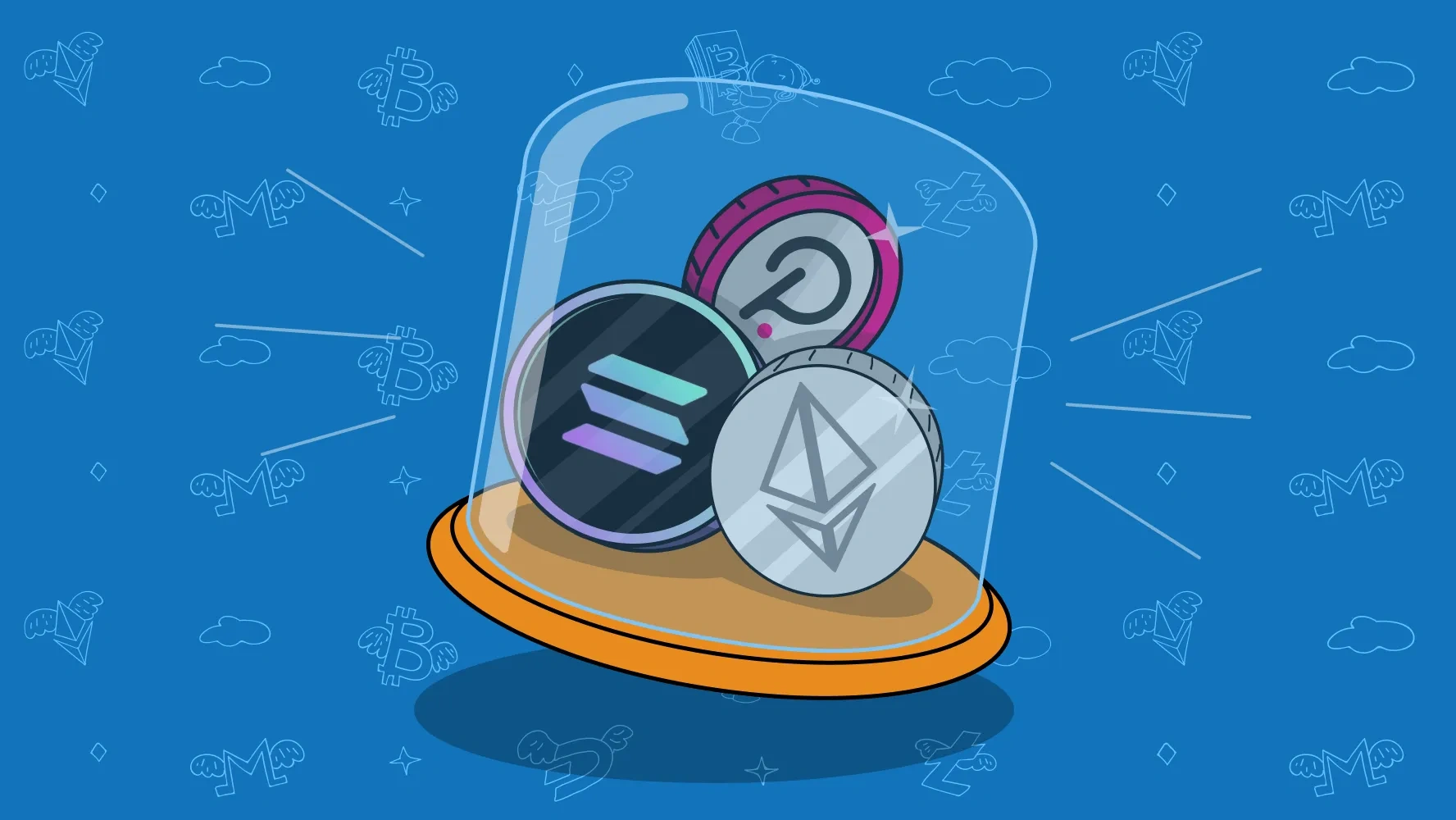
Choosing the best staking crypto in 2025 depends on factors like reward rates, network stability, and ease of staking. Here are some top picks for crypto staking:
- Ethereum (ETH) : As a leading PoS blockchain, Ethereum offers reliable crypto staking opportunities with attractive rewards.
- Cardano (ADA): Known for its scalability, Cardano is a favorite for those seeking the best staking crypto.
- Solana (SOL): With fast transactions and high yields, Solana is a top contender in what is staking in crypto.
- Polkadot (DOT): Its interoperable ecosystem makes it a strong choice for crypto staking enthusiasts.
These best staking crypto options provide diverse opportunities, so research each to find the one that aligns with your goals for what is staking.
How to Start Staking Crypto in 2025?
Ready to dive into crypto staking? Here’s a simple guide on how to start staking crypto:
- Choose a Cryptocurrency : Select one of the best staking crypto options, such as Ethereum orCardano o, based on your research into what is staking in crypto.
- Get a Wallet: Use a compatible wallet that supports crypto staking, ensuring you understand how does staking work.
- Join a Staking Platform: For ease, opt for an exchange like WEEX, which simplifies what is staking for beginners.
- Stake Your Crypto: Follow the platform’s instructions to lock your funds and start earning rewards through crypto staking.
- Monitor Your Rewards: Keep track of your earnings and adjust your strategy to maximize the best staking crypto opportunities.
By following these steps, you’ll be well on your way to mastering what is staking in crypto.
Start Staking Crypto with WEEX
WEEX Exchange makes crypto staking accessible and rewarding for everyone. Whether you’re new to what is staking in crypto or an experienced investor seeking the best staking crypto, WEEX offers a user-friendly platform to get started. With competitive reward rates, secure infrastructure, and a variety of crypto staking options, WEEX simplifies how does staking work.
Join WEEX today to explore what is staking, choose from the best staking crypto options, and start earning passive income. Visit WEEX Exchange to begin your crypto staking journey now!
Latest Updates on WEEX
WEEX Exchange’s WXT Token Surges 101%
If you want to buy WXT now, you can sign up for a WEEX account
WEEX Owen : Michael Owen Joins as Global Brand Ambassador
Championing a revolutionary crypto trading experience
You may also like
DOGE vs SHIB: The Meme Coin Battle Between Stability and Explosive Growth
Dogecoin (DOGE) and Shiba Inu (SHIB) represent two different paths in the meme coin sector.
DOGE is the original meme coin, valued for its strong liquidity, long market history, and stable position across multiple crypto cycles. It behaves more like a sentiment-driven, large-cap asset with relatively smoother price movements.
SHIB, on the other hand, is a newer, ecosystem-focused token built on Ethereum, expanding through initiatives like Shibarium and DeFi products. Its price action is more volatile and heavily driven by narrative and ecosystem developments.
In simple terms:
DOGE = stability, liquidity, and mature meme assetSHIB = higher risk, higher volatility, and ecosystem growth potentialOverall, DOGE is typically preferred for more stable trading exposure, while SHIB attracts traders seeking aggressive, high-risk opportunities tied to narrative momentum.

MIRROR USDT Premiere on WEEX: Mirror (MIRROR) Listing
WEEX Exchange is thrilled to announce the exclusive premiere listing of Mirror (MIRROR) Coin, marking the world’s first…
NOT Token Price: Is Notcoin Cheap or Still Risky?
Track the NOT token price, Notcoin market cap, supply, chart risks, TON ecosystem catalysts, and whether NOT can recover.

Sandisk Stock: Why SNDK Is Surging and What Investors Should Watch
Sandisk stock has soared on AI storage demand, NAND pricing, and strong earnings. Here is what SNDK investors should watch next
Can Global Overwatch Protocol (GOP) Coin Reach $1? Full Guide 2026
Can GOP realistically hit $1?

What Is Middle Eastern Gas Reserve (MEGR) Coin?
Is MEGR crypto really backed by 1.42 Tcm gas? We break down MEGR tokenomics, roadmap risks, and how to verify claims before buying. No fluff.
AMD Stock in May: Is the AI Rally Still Worth Chasing?
AMD stock is trading near record levels after strong AI demand. Review Q1 2026 earnings, valuation, analyst targets, and major risks.
Introducing Circle Internet Group Tokenized Stock (Ondo) ($CRCLon): Onchain Circle Exposure and Price Prediction
CRCLon is Ondo's tokenized Circle stock wrapper, drawing attention with onchain equity access, fast narrative rotation, and direct exposure to the CRCL story.

Introducing Billions Network ($BILL): Human and AI Verification Infrastructure and Price Prediction
Billions Network is a human-and-AI trust layer drawing attention after its token launch, live exchange trading, and utility-driven identity narrative.

WEEX Futures Unveils BILL USDT for Billions Network (BILL) Coin
WEEX Exchange is thrilled to announce the listing of the BILL USDT perpetual contract, opening new trading opportunities…
Is Billions Network (BILL) a Good Investment in May 2026?
Billions Network (BILL) has caught the eye of many crypto investors this May 2026, with its recent price…

BILL Crypto Airdrop: Unlock 30,000 USDT Rewards and Zero-Fee Trading
Billions Network’s BILL token is making waves in the crypto space with its latest airdrop event, offering participants…

What is Apple (APPLE) Coin?
Apple (APPLE) recently became a trending topic in the crypto community following its listing on WEEX Exchange. This…

Billions Network (BILL) Coin Price Prediction & Forecasts for May 2026: Surging 36% – Can It Hold the Momentum?
Billions Network (BILL) Coin has been turning heads in the crypto space with its impressive 35.96% surge over…
Apple (APPLE) Price Prediction & Forecasts for May 2026: Surging 20% Amid Meme Token Buzz
As of May 5, 2026, Apple (APPLE) stands at $0.00129 USD, reflecting a solid 20.66% gain over the…
XRP vs Cardano: Which Is the Better Investment in 2026?
XRP is the institutional-grade settlement layer for banks; Cardano is the decentralized smart contract platform for dApps and digital identity
XRP benefits from regulatory clarity and spot ETF inflows; Cardano offers higher asymmetric upside for those believing in decentralized governance
XRP has deeper liquidity for day trading; ADA offers more explosive moves for swing traders
Trade both XRP/USDT and ADA/USDT on WEEX with low fees
Russian Oil Asset Fund (ROAF) vs Crude Oil Futures: Key Differences
ROAF is a concept-based digital asset with weak regulation; crude oil futures are standardized contracts on regulated exchanges
Crude oil futures are backed by real commodity markets; ROAF has no physical asset backing
Oil futures carry market and leverage risk; ROAF carries platform run risk, withdrawal issues, and price manipulation risk
For real oil price exposure, trade regulated futures on WEEX
Sign up on WEEX to get up to 30,000 USDT in welcome rewards
Can ROAF Coin Repeat ROAR’s Magic on Solana?
In the fast-paced world of Solana-based meme coins, the Russian Oil Asset Fund (ROAF) has emerged as a…
DOGE vs SHIB: The Meme Coin Battle Between Stability and Explosive Growth
Dogecoin (DOGE) and Shiba Inu (SHIB) represent two different paths in the meme coin sector.
DOGE is the original meme coin, valued for its strong liquidity, long market history, and stable position across multiple crypto cycles. It behaves more like a sentiment-driven, large-cap asset with relatively smoother price movements.
SHIB, on the other hand, is a newer, ecosystem-focused token built on Ethereum, expanding through initiatives like Shibarium and DeFi products. Its price action is more volatile and heavily driven by narrative and ecosystem developments.
In simple terms:
DOGE = stability, liquidity, and mature meme assetSHIB = higher risk, higher volatility, and ecosystem growth potentialOverall, DOGE is typically preferred for more stable trading exposure, while SHIB attracts traders seeking aggressive, high-risk opportunities tied to narrative momentum.
MIRROR USDT Premiere on WEEX: Mirror (MIRROR) Listing
WEEX Exchange is thrilled to announce the exclusive premiere listing of Mirror (MIRROR) Coin, marking the world’s first…
NOT Token Price: Is Notcoin Cheap or Still Risky?
Track the NOT token price, Notcoin market cap, supply, chart risks, TON ecosystem catalysts, and whether NOT can recover.
Sandisk Stock: Why SNDK Is Surging and What Investors Should Watch
Sandisk stock has soared on AI storage demand, NAND pricing, and strong earnings. Here is what SNDK investors should watch next
Can Global Overwatch Protocol (GOP) Coin Reach $1? Full Guide 2026
Can GOP realistically hit $1?
What Is Middle Eastern Gas Reserve (MEGR) Coin?
Is MEGR crypto really backed by 1.42 Tcm gas? We break down MEGR tokenomics, roadmap risks, and how to verify claims before buying. No fluff.


